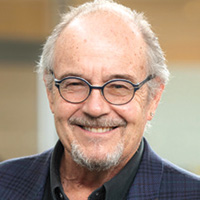


A Conversation with Lawyer Wellbeing Advocate Derek LaCroix, KC
The 2026 Georges A. Goyer, QC Memorial Award for Distinguished Service winner reflects on the culture change in lawyer mental health and offers advice on making a difference in the profession
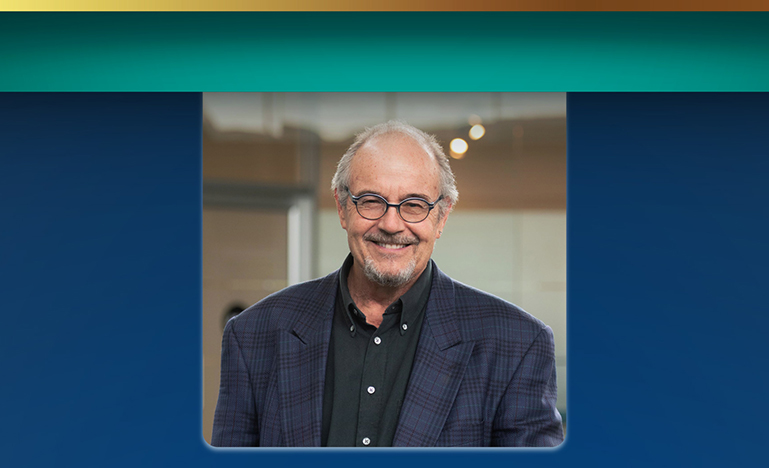
Derek LaCroix, KC is the recipient of the 2026 Georges A. Goyer, QC Memorial Award for Distinguished Service recognizing his exceptional contributions to the legal profession. His decades-long leadership of the Lawyers Assistance Program of BC has transformed the legal profession’s approach to mental health and addiction. Building the program from a modest initiative to a vital, province-wide network, Derek has also influenced national and international standards in lawyer assistance programs.
This interview has been edited and condensed for clarity.
The people who nominated you shared moving stories about how you’ve helped them and their loved ones through their mental health journeys. What can you share about a moment that has shaped your approach to mental health?
Many, many years ago, I had an alcohol problem, and I needed to go into treatment. And several friends—lawyers—came and helped me. They looked after my practice while I was gone for almost two months. So, it was lawyers helping lawyers. Unorganized back then, and I was a recipient at that point. And then, of course, a major component of 12-step recovery, like Alcoholics Anonymous, is that we help other people. So I've naturally been helping other people.
Now, I would also say that before that, most of my life, I was just a person who helped people. I was a criminal defense lawyer, and I thought of myself as helping. So, it's part of my nature. But that moment, I often think about. What we did with the Lawyers Assistance Program is organize it. Organize the goodwill and the caring of lawyers who need a little coaching, prompting—but they’ll be there for their compatriots and colleagues.
As you step back from this role at the Lawyers Assistance Program of BC, what are your reflections on your legacy and the program you’ve spent years building?
It was originally just me, and now I think there are eight people there. So, it's grown. But I think the biggest change is the real shift in acceptance of our human frailties. In the earliest days — the first couple of years maybe—I helped more than one person where the lawyer had reached so far down that they were living in their cars. These people were really in trouble.
Now, people come in earlier. They start getting help to grow, as opposed to saving themselves from already being collapsed. There’s been a big shift in the dialogue around health and wellbeing, including mental health task forces and a culture shift.
Law is a helping profession. I’ve got lots of friends who are lawyers. I practiced for 19 years, did a lot of trials, and then I’ve helped several thousand people. Most are good, caring people but don’t know how to express it. Part of my job, and the Lawyers Assistance Program’s job, is to support and encourage someone to come and help them manage their practice or get into treatment. And I’ve seen a huge shift in the willingness to talk about it and to get help at a much earlier stage.
Is there something that you took from your practice and applied to this role?
Oh yeah. I take a holistic approach — biological, psychological, social and spiritual. Lawyers have very practical problems, so I understand the stresses of trials, and I knew how to find what they needed in order to look after their practices. It's important that the helper and the person getting help have a connection. I think that's probably the most important thing. And being able to talk about law and their practice really was helpful.
A lot of the people would be really stressed, or they'd have substance problems or depression. They were just not in good shape, and they kind of blamed their practice, or they didn't like their practice anymore, so they were thinking of quitting. One of my techniques was to talk to them about the law and about practice. Most of them would then light up when they start talking about their practice. So, I knew that the problem wasn't that they hated their work. The problem was they were stuck and they were distressed and so they wouldn't have liked anything. Now, there were some who just weren't in the right profession, and they didn't like their work, so I used my knowledge of practice to engage people and help find out how to approach their healing.
What are you hoping for in the next few years in how the profession treats mental health?
I would like to see at least my romanticized version of how I remember the profession 50 years ago, where we were focused on the practice of law and helping people.
I would like to see the practice get away from being money driven. I think there’s too much emphasis on billing and the billable hour. I would like to see there be less emphasis on that and more emphasis on helping lawyers express themselves, their own talents, interests and creativity in a very kind and compassionate way to everybody. Having a sense of purpose and self-expression really helps maintain good mental health.
What advice would you give young lawyers who also want to make an impact on the culture of the profession, or on the resources available to lawyers?
Do what you love. Try to get away from a siloed approach. We each have our own interests that we’re really behind, and one of the things that I've tried to do is acknowledge and support other people who want to improve life for everybody, but from a different perspective than mine. So, rather than saying “I'm just in mental health. That's just my thing.” My thing is actually: can I support other initiatives?
That way, you get nurtured. You're not fighting against people who also want to make the profession and life better. They just have a different approach. Find ways that you can at least cooperate with each other, be with each other or respect each other.
What is something I didn’t ask about that you’d like to mention as well?
We lawyers are a privileged group, and we ought to be leaders in making the world a better place. We could make a huge difference.
I knew Georges Goyer. I was a young criminal defense lawyer around the same time, and he had a purpose. He was a good, decent person. You know, I believe that's what the Goyer Award represents. It's not just skill and ability, but being a good, decent, solid person, like Georges was. The other people I've seen who are recipients are good, decent people. So I'm happy to be in that crowd, and I hope people think of me that way.
I was blessed. I just ended up in the right place with all the right stuff. Most of the reason I got my training and all the skills was to save my own life. And then it naturally opened up to where I got the ability to really help people.
I do want to say to anybody out there who I've helped: thank you. I was there, but you did the work. People came, they opened up, and they made some changes to be the person that I knew they always could be. So, if I can get that message out: be the person you always have the potential to be.